The Role of Social Media in Modern Sports Journalism: How Platforms Are Reshaping the Press Box
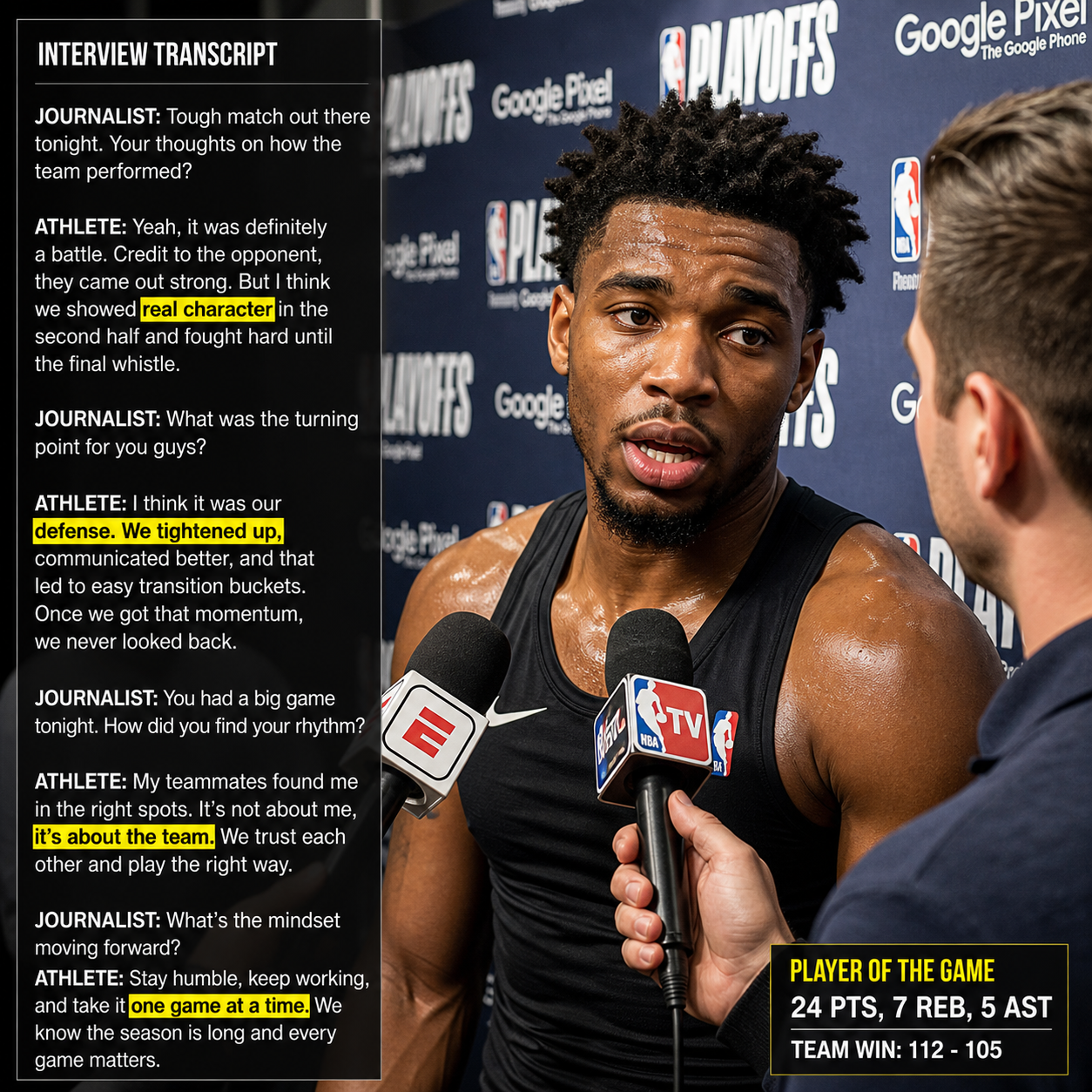
Twenty years ago, a beat reporter covering an NBA postgame press conference had a clear workflow: attend the session, scribble notes, file a story by deadline, and let the newspaper handle distribution. That process is almost unrecognizable today. A single athlete quote can now travel from a podium microphone to a million Twitter/X feeds in under three minutes — before the journalist has even closed their notebook.
The relationship between social media platforms and sports journalism is not simply one of disruption. It is a wholesale restructuring of who speaks, who listens, and what counts as the authoritative record.
From the Press Room to the Timeline — A Shifting Media Landscape
Traditional sports journalism operated on a clear hierarchy: journalists held privileged access, editorial gatekeeping filtered what reached audiences, and print or broadcast schedules set the pace. Social media collapsed that hierarchy almost entirely.
Platforms like Instagram, YouTube, and TikTok gave athletes, teams, and leagues direct distribution channels. Sports organizations now maintain their own production teams, publishing behind-the-scenes content, locker room footage, and coach interviews without a single beat reporter involved. The press box still exists — but its monopoly on storytelling does not.
For working sports journalists, this shift created both pressure and opportunity. The pressure is obvious: audiences expect instant updates, not next-morning analysis. The opportunity is subtler — reporters who understand social platforms can surface stories, monitor athlete statements, and engage communities in ways that were simply impossible in the print era.
Real-Time Reporting and the Death of the News Cycle
Social media has effectively eliminated the traditional news cycle in sports coverage. Breaking news no longer waits for a scheduled broadcast or a morning edition — it happens the moment someone with a phone witnesses it.
A trade announcement, an injury update, or a controversial postgame comment can break on Twitter/X and generate thousands of reactions before most journalists have confirmed the details. The breaking news cycle now operates in minutes, not hours. Reporters who once had the luxury of a few hours to verify and contextualize are now expected to publish preliminary reports almost simultaneously with events unfolding.
This compression has genuine consequences. Speed and accuracy pull in opposite directions, and sports media organizations have had to rebuild workflows to accommodate both. Many outlets now operate with a tiered approach: a short, fast initial post acknowledging the development, followed by a fuller, verified piece once facts are confirmed. It is an imperfect solution, but it reflects the reality of competing with social feeds that never sleep.
How Press Conferences Have Changed in the Social Media Age
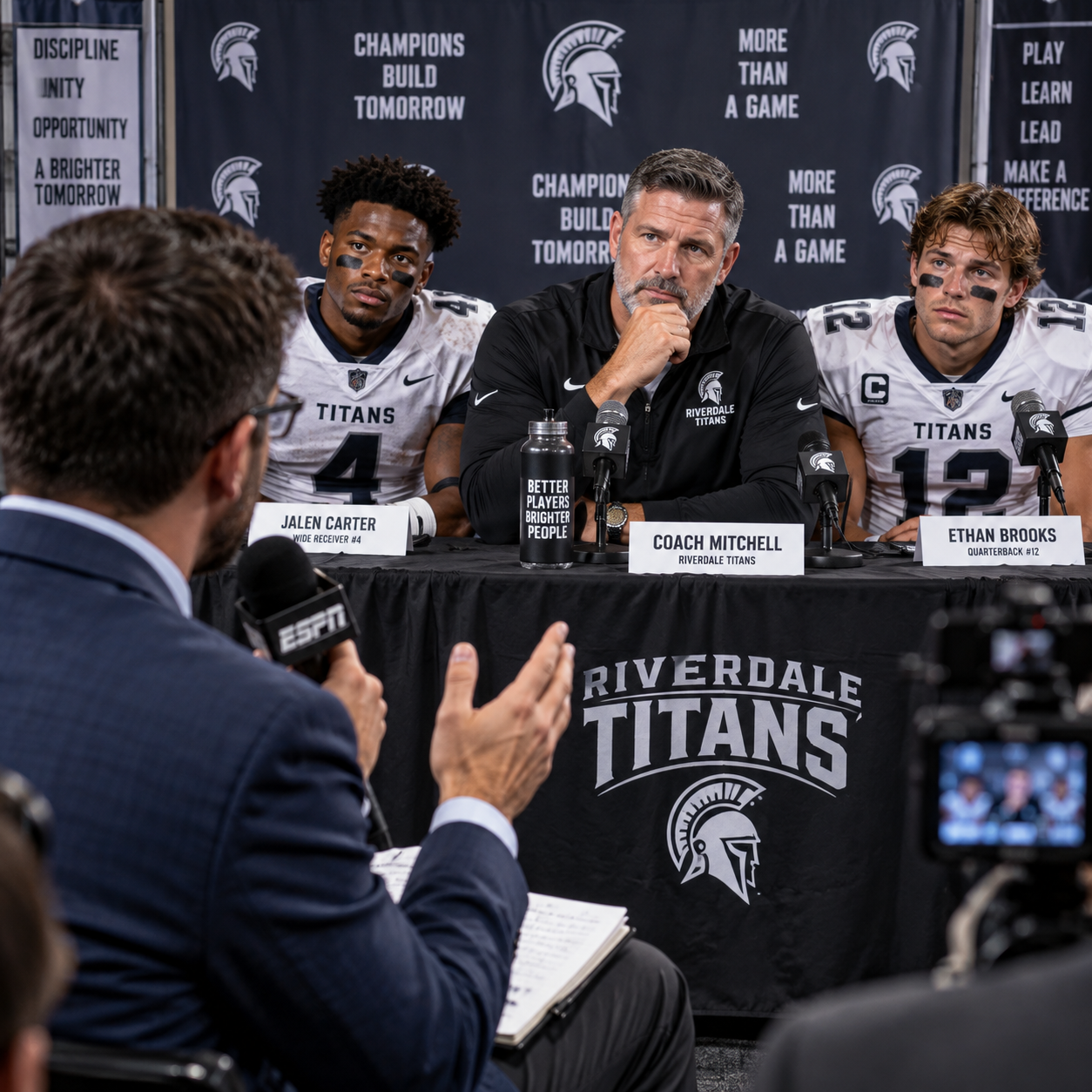
Press conferences and media scrums have not disappeared — but their function has changed dramatically. What was once a controlled, journalist-mediated exchange is now a live-streamed, instantly clippable event consumed directly by fans.
Leagues and teams routinely stream postgame press conferences in full on YouTube or their own apps. A sharp answer from a head coach or a candid admission from a star player gets clipped within minutes and circulates on TikTok and Instagram Reels, often stripped of surrounding context. The media accreditation system still grants journalists physical access, but it no longer controls what reaches the public.
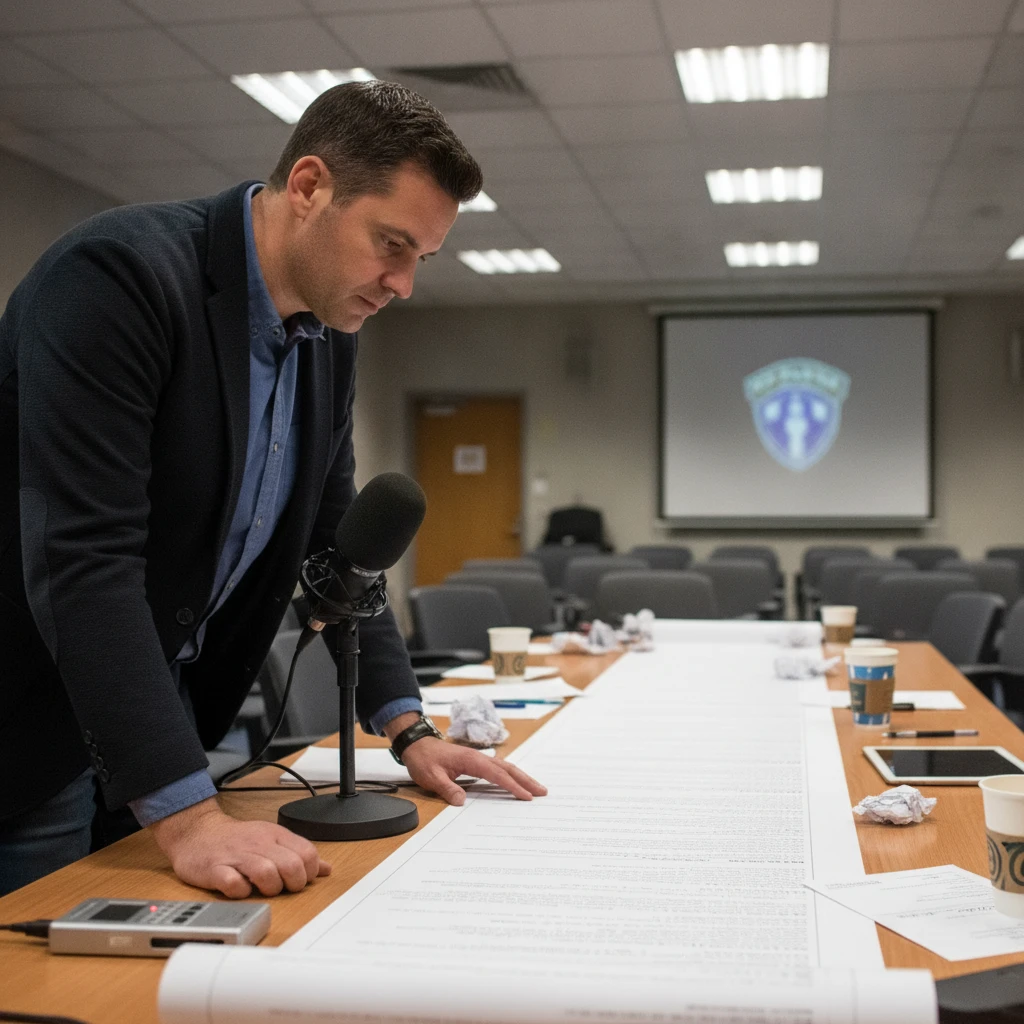
This creates a genuine challenge for transcript-based journalism. When a 45-second clip goes viral, the 30 minutes of context surrounding it rarely follows. Written transcripts — full, accurate, time-stamped records of what was actually said — become more valuable precisely because social media makes partial quotes so easy to spread. A reliable transcript is the antidote to the decontextualized clip.
Athletes as Their Own Media Outlets
Perhaps the most structurally significant shift in modern sports journalism is the rise of athlete-controlled media. Players no longer depend on journalists to tell their stories. They tell them directly.
LeBron James's SpringHill Company, Naomi Osaka's content partnerships, and countless athletes' self-run YouTube channels represent a new category of sports media that bypasses traditional outlets entirely. An athlete can publish a statement, clarify a rumor, or announce a major decision through an Instagram post — and that post becomes the primary source, not a journalist's paraphrase of it.
For beat reporters, this changes the value proposition of their work. Exclusive access to quotes is no longer the differentiator it once was. The journalist's role increasingly shifts toward analysis, verification, and contextualizing what athletes say publicly — rather than simply relaying what they said privately.
The Verification Challenge — Accuracy vs. Speed
Social-first publishing introduces real editorial risk. Misquotes, out-of-context clips, and doctored screenshots circulate regularly in sports media, and the speed of social platforms makes corrections difficult to land with the same reach as the original error.
The transcript and quote verification problem is not hypothetical. Journalists have published reactions to athlete statements that turned out to be misattributed, taken from old interviews, or simply fabricated. The consequences range from embarrassing corrections to genuine reputational damage — for the outlet and, sometimes, for the athlete.
Responsible sports journalism in the social media era requires a clear internal standard: social posts are a lead, not a source. A tweet from an athlete's verified account is worth monitoring and reporting on, but the underlying claim still needs confirmation through official channels, direct contact, or a full transcript. Editorial gatekeeping has not become less important — it has become harder to maintain under competitive pressure.
Social Media as a Reporting Tool for Sports Journalists
Social platforms are not just a threat to traditional journalism workflows — they are genuinely powerful reporting tools when used with discipline.
Beat reporters now use Twitter/X and Instagram to monitor athlete statements in real time, track injury updates posted by teams, identify emerging storylines from fan communities, and source interview subjects. A journalist watching a player's Instagram Stories during a road trip might spot a detail — a new brace on a wrist, an unusual absence from a team dinner photo — that becomes the seed of a legitimate story.
Social media also enables fan engagement in ways that build audience loyalty. Reporters who share their work, respond to reader questions, and participate in genuine sports conversation online tend to develop more durable relationships with their audiences than those who treat social platforms purely as distribution channels. The reporters who thrive are those who understand the difference between using social media and being used by it.
What This Means for the Future of Sports Media
The sports media organizations best positioned for the next decade are those that accept social media as infrastructure — not competition — and build their authority around what social platforms cannot easily replicate.
Speed and virality are table stakes now; any outlet can publish fast. What remains genuinely scarce is accuracy, context, and a reliable archive. Full interview transcripts and complete press conference records serve a function that a 30-second TikTok clip never can: they create a verifiable, searchable, permanent record of what was actually said, in full, without editorial compression.
For outlets focused on press-conference transcripts and interview archives, the social media era is not a threat to their core value — it is an argument for it. As clipped, decontextualized quotes circulate faster than ever, the demand for authoritative primary sources grows alongside the noise. The organizations that position themselves as the reliable record will find a durable audience among journalists, researchers, legal teams, and serious sports media professionals who need more than a viral clip.
Social media changed sports journalism permanently. The reporters and outlets that will matter in 2030 are the ones figuring out, right now, what they offer that an algorithm cannot.
Frequently Asked Questions
Has social media made sports journalism less accurate?
Social media has increased the risk of inaccuracy by rewarding speed over verification. However, it has not made journalism inherently less accurate — it has raised the cost of cutting corners. Outlets that maintain rigorous fact-checking standards are more distinguishable from social noise than ever, not less.
Do athletes still need traditional press conferences if they have social media?
Leagues and governing bodies still require press conferences as a condition of participation, and they serve a different function than social posts. A press conference allows journalists to ask follow-up questions, probe for detail, and create a documented, witnessed record. An Instagram post is a monologue; a press conference is a dialogue.
How do sports journalists verify quotes found on social media?
Standard practice involves cross-referencing social posts with official team statements, contacting the athlete's representative directly, reviewing full video or transcript records, and checking whether the post appears on a verified account. A quote found only on social media — even from a verified account — is a starting point for reporting, not a finished source.
What role do interview and press-conference transcripts play in the social media era?
Transcripts serve as the authoritative record in an environment where clips are routinely taken out of context. They allow journalists, researchers, and legal teams to confirm exactly what was said, in what order, and in response to which question. In an era of fast-moving social content, a complete transcript is one of the most valuable documents in sports media.
Are social media posts considered official statements from athletes or teams?
This depends on context and jurisdiction. Many leagues treat verified social media posts as official communications, particularly for disciplinary purposes. Legally, courts have increasingly treated public social media posts as admissible statements. For journalism purposes, a post from a verified account is treated as a statement worth reporting — but responsible outlets still seek confirmation before treating it as definitive.