Ethical Considerations in Sports Media Reporting: A Guide to Accurate Press Transcripts
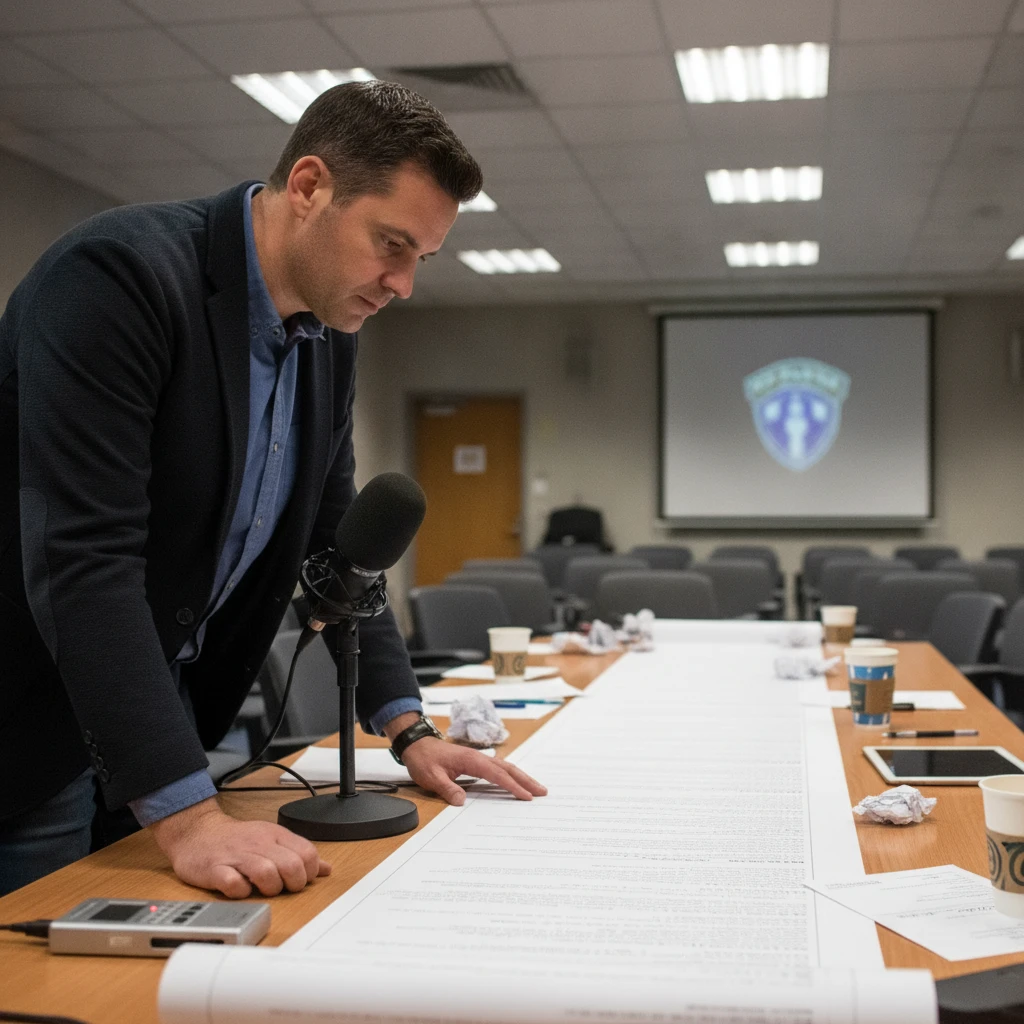
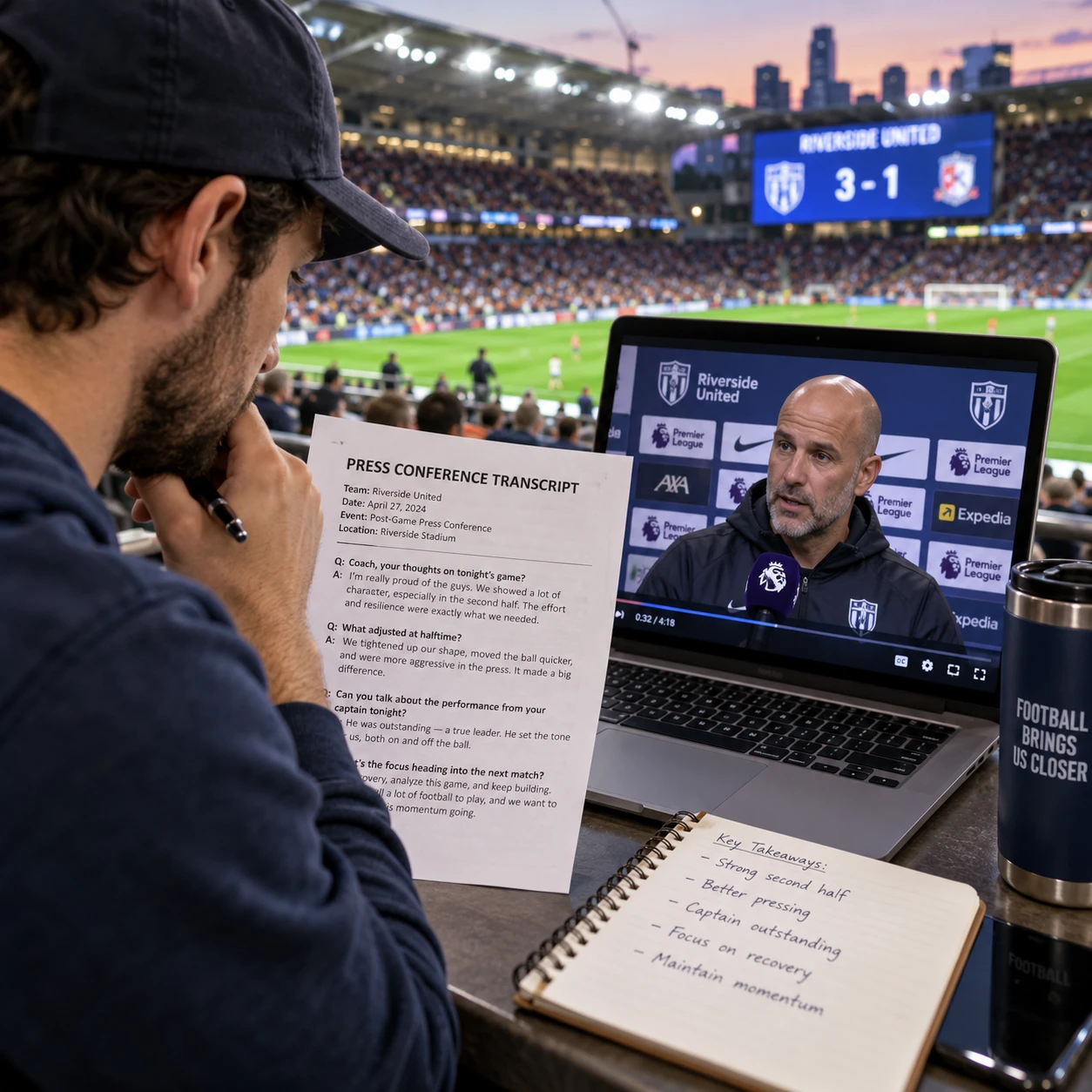
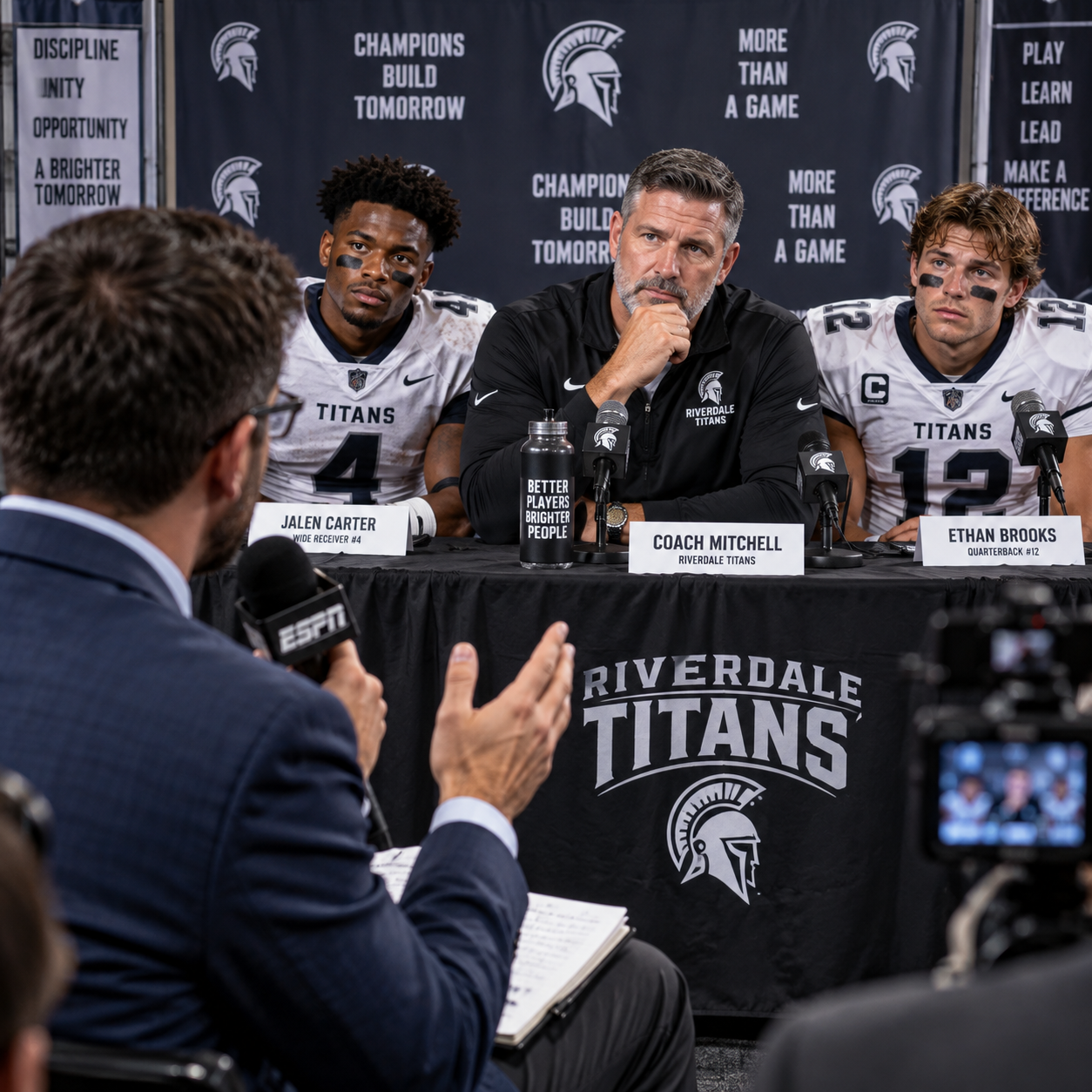
Sports press conferences can move quickly: a coach answers several questions, an athlete speaks under pressure, and a short remark may soon circulate far beyond the room. A transcript helps audiences check what was said, but only if it represents the exchange faithfully. Ethical sports media reporting depends on accuracy, fair treatment, clear attribution, and sound judgment about what belongs in public.
For reporters and editors, the central task is straightforward to state and demanding to execute: make the transcript readable without making the speaker say something different. That means preserving context, distinguishing direct quotes from paraphrases, and considering privacy and public interest before publishing sensitive details.
Why ethics matter in sports reporting
Ethics matter in sports reporting because every choice about wording, selection, and publication shapes how readers understand an athlete, coach, or team. Accurate, fair coverage builds trust; careless framing can turn an incomplete exchange into a misleading public record.
A transcript may look neutral because it records speech, but neutrality is not automatic. Which questions are included, where an answer begins, and whether a qualification is retained can all affect meaning. A clipped response may appear evasive when the full exchange shows that the speaker was answering a different question.
Trust is built through transparent decisions. Readers should be able to tell who spoke, what was said, and whether the text has been edited. This matters especially when a quote concerns a team dispute, an injury, a disciplinary matter, or a personal issue. Publication can affect reputations and relationships, even when a reporter’s intent is simply to document the event.
Ethical practice does not require avoiding difficult questions. It requires asking them responsibly, checking claims, and resisting the urge to make a dramatic headline carry more certainty than the source supports. The public’s interest in a team’s performance does not automatically justify publishing every personal detail disclosed in a press room.
Accuracy, attribution, and context in transcripts
Accurate sports transcripts preserve the speaker’s wording and meaning, identify who said each line, and include enough context for readers to understand the exchange. A transcript should not make a paraphrase look like a direct quote or detach an answer from the question that prompted it.
Begin with reliable source material: a clear recording, contemporaneous notes, or both. Confirm speaker names and roles, particularly when several people speak from the same table or a reporter asks a question off microphone. If identification is uncertain, do not guess. Mark the uncertainty or verify it with an appropriate source.
Context is part of accuracy. Retain the question when its wording affects the answer, and preserve qualifications such as “I think,” “as far as I know,” or “we have not decided yet.” Removing these phrases may make an uncertain statement sound definitive. Likewise, do not join separate answers in a way that suggests they were one continuous response.
Use quotation marks only for wording checked against the recording or another dependable record. Summaries belong outside quotation marks and should be labeled as paraphrases. Attribution should stay close to the statement, especially when a transcript includes questions from reporters, interpreters, or team staff. If a detail cannot be verified, explain that limitation rather than smoothing it over.
Fairness and impartiality when covering teams and athletes
Fair sports reporting applies consistent standards to athletes, coaches, teams, and other speakers, regardless of popularity or past performance. It avoids loaded framing and gives readers enough information to assess a remark on its own terms.
Words such as “admitted,” “ranted,” or “refused” can imply intent or fault that the transcript itself does not establish. Choose neutral verbs such as “said,” “answered,” or “declined to comment” unless the stronger description is clearly supported. Headlines and introductory summaries deserve the same care as the transcript: they can distort an otherwise faithful record.
Consistency is a practical test of impartiality. Ask whether the same wording and verification standard would be used for a rival team, a less popular athlete, or a speaker the outlet regularly criticizes. Apply equivalent care when reporting a denial, an allegation, or an explanation. Fairness does not mean giving every claim equal weight; it means representing claims accurately and making clear what is established, disputed, or unverified.
Reporters should also avoid selective quotation that favors a preferred narrative. If an answer contains both criticism and a qualification, include the qualification when it materially changes the meaning. A transcript can still be concise, but cuts should not turn a mixed or cautious response into a categorical statement.
Privacy, consent, and sensitive information
Privacy-conscious reporting weighs the public interest in a remark against the potential harm of exposing personal information. A statement made in a press conference is not automatically suitable for publication in every form, particularly when it concerns health, family matters, or another person’s private life.
Recording rules and expectations vary by setting, organization, and jurisdiction, so reporters should confirm the applicable conditions before recording or publishing. Consent may be relevant, but it is not a substitute for judgment: permission to record does not by itself settle whether a sensitive detail should be amplified. Likewise, a request for confidentiality should be clarified before relying on it; do not imply that a statement was off the record if no such understanding existed.
Public interest should be specific, not assumed. An injury update may be relevant to team availability, while an unrelated medical detail may add little and expose someone to avoidable harm. Consider whether the information is already confirmed, whether the person is directly affected, and whether a less intrusive description would meet readers’ needs.
Defamation is a legal issue as well as an ethical risk. Do not present an unverified accusation as fact, and take extra care with claims that could damage someone’s reputation. When a sensitive or potentially damaging statement is newsworthy, preserve attribution, seek verification where possible, and consult an editor or qualified legal adviser when the risk warrants it.
Editing transcripts without changing meaning
Transcript editing is ethical when it improves readability without changing what a speaker meant. Reporters may standardize formatting or remove non-meaningful verbal clutter, but they should preserve meaningful pauses, qualifications, and corrections when these affect interpretation.
There is no single editing level that suits every transcript. A verbatim record may retain repetitions and false starts; a lightly edited transcript may remove some disfluencies for readability. Tell readers which approach was used, especially if edits could affect how a statement sounds. Do not silently repair grammar in a way that changes tone or apparent certainty.
When audio is unclear, replay it, compare notes, and check the recording with another editor if necessary. If the words remain inaudible, mark the gap plainly rather than inventing a likely phrase. Use an ellipsis only to show a genuine omission, not to imply a pause or cut that was not there. If a speaker corrects a name, score, or other detail during the exchange, retain the correction when it helps clarify the record.
Make material edits visible. A short note can explain that the transcript was lightly edited for clarity and that meaning was preserved. If an error is found after publication, correct it promptly and note significant changes according to the outlet’s policy. Readable formatting is useful; hidden editorial intervention is not.
A practical ethics checklist for sports press transcripts
Use a brief prepublication check to catch errors in sourcing, attribution, context, and sensitive details. The checklist should help editors make deliberate decisions, not replace judgment when a difficult case arises.
- Verify the source: Check names, roles, dates, and key wording against the recording or reliable notes.
- Preserve the exchange: Include questions or surrounding remarks when they materially affect an answer’s meaning.
- Label the language: Separate direct quotes from paraphrases, and disclose the transcript’s editing approach.
- Test the framing: Replace loaded verbs and headlines that claim more than the transcript supports.
- Review sensitive details: Ask whether each personal detail serves a clear public interest and whether publication creates avoidable harm.
- Flag uncertainty: Mark inaudible words or unresolved identification questions instead of filling gaps by inference.
- Plan corrections: Provide a clear route for reporting mistakes and update the record when material errors emerge.
A final read aloud can expose awkward edits or a sentence that now sounds more certain than the speaker did. When in doubt, return to the recording and ask a second editor to review the relevant passage. That small pause can prevent a transcript from becoming a misleading account of the press conference.
Frequently asked questions
Should a sports press transcript be edited for clarity? Yes, when editing improves readability without changing meaning. State whether the transcript is verbatim or lightly edited, and retain qualifications that affect interpretation.
How should unclear or inaudible remarks be handled? Replay the audio and check notes or another recording. If the words remain unclear, mark them as inaudible or identify the uncertainty; never guess at a quote.
When should sensitive information be omitted? Omit or limit details when they add little to a clear public-interest story and could expose someone to unnecessary harm. The right decision depends on the subject, relevance, verification, and circumstances.
How can a transcript distinguish direct quotes from paraphrases? Use quotation marks only for verified wording. Present summaries without quotation marks and identify them as paraphrases, with attribution close to the statement.