The Evolution of Sports Media: From Print to Digital Platforms
Sports media has never stood still. From the ink-stained columns of 19th-century broadsheets to the real-time feeds of today's digital platforms, the way athletes, coaches, and organizations communicate with the public has been continuously reshaped by technology. What has remained constant throughout every shift is the need to capture, distribute, and preserve what was actually said — a need that makes the press conference transcript one of the most durable artifacts in sports communication history.
The Print Era: Where Sports Journalism Began
Newspapers and sports magazines created the first standardized formats for reporting athlete statements, establishing conventions that still influence how we document sports communication today. Before radio existed, the printed page was the only medium capable of reaching mass audiences with sports news.
Publications like the New York Clipper (founded 1853) and the Sporting Life brought boxing results, baseball scores, and athlete quotes to readers across the country. Sports reporters of this era functioned as the sole intermediaries between athletes and the public. If a player made a statement after a game, a journalist's notebook — and eventually a typeset column — was the only record of it.
This dependency on sports newspapers created a culture of careful attribution. Reporters paraphrased carefully, editors fact-checked quotes, and publications competed on the accuracy and exclusivity of their athlete access. The habits formed in this era — verbatim quotes, sourced statements, structured game reports — became the foundation for every media format that followed.
Radio and Television: Bringing Fans Closer to the Action
Broadcast media transformed sports coverage by introducing live audio and visual access, turning press conferences from private journalist briefings into public-facing events. The shift was not gradual — it was disruptive.
Radio broadcasting arrived in the 1920s, and sports organizations quickly recognized its reach. By 1921, KDKA in Pittsburgh had broadcast a boxing match; within a decade, play-by-play commentary was a staple of American radio. Audiences could now experience the emotion of a game in real time, not the next morning over coffee.
Television accelerated this further. The broadcast rights economy that emerged in the 1950s and 1960s fundamentally changed the financial structure of professional sports. Leagues negotiated deals with networks, and the post-game interview became a standard segment — a ritual that millions watched live. Athletes were no longer just subjects of print profiles; they were personalities with voices, faces, and unscripted moments that audiences could witness directly.
For journalists, this created a new challenge: the broadcast clip captured tone and body language, but it was difficult to search, quote accurately, or archive reliably. The written record remained essential.
The Rise of the Press Conference as a Media Institution
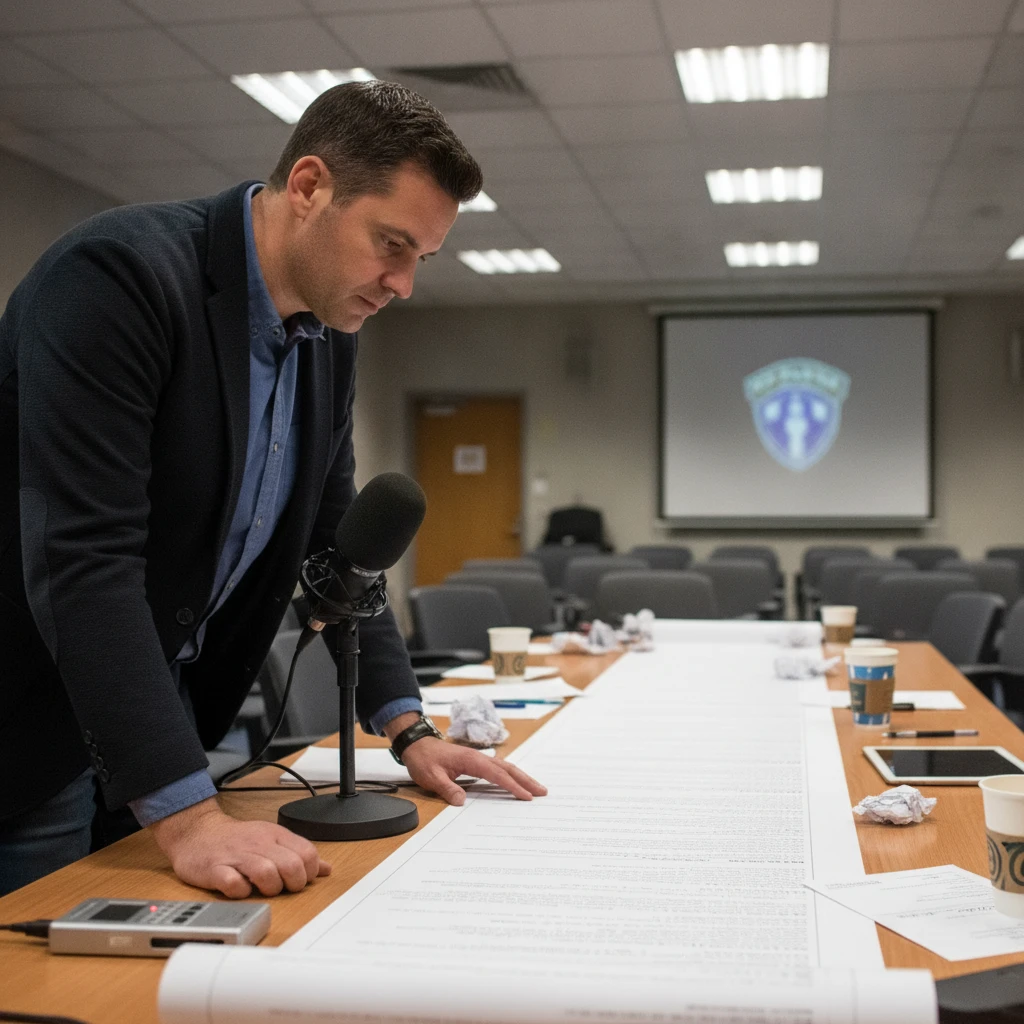
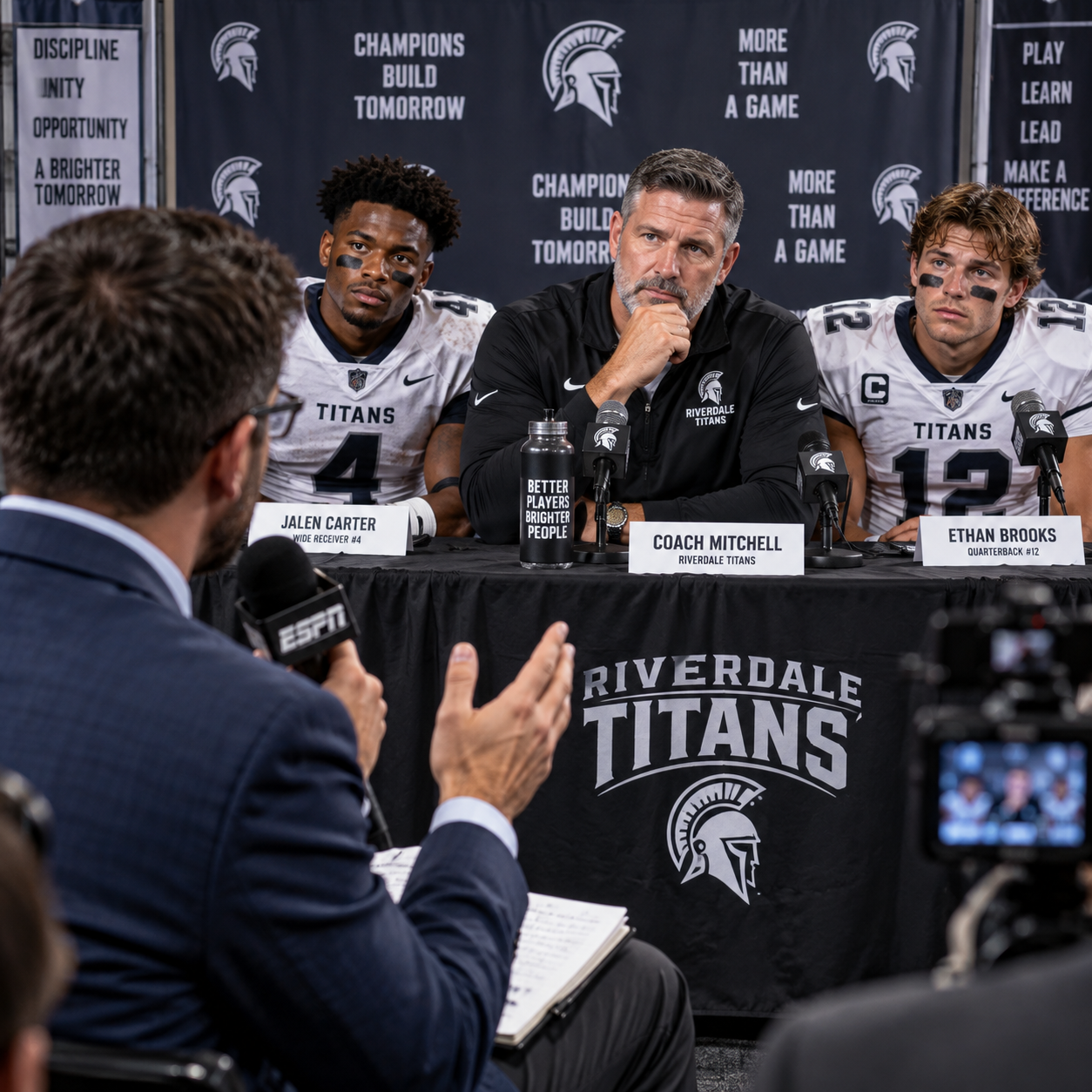
The structured press conference became the dominant format for athlete and coach communication because it solved a logistical problem: how to give dozens of journalists simultaneous access to a single source. Press conference transcripts emerged as the critical record-keeping tool that made this format sustainable.
By the mid-20th century, major sports leagues had formalized media access protocols. Coaches met reporters after games in designated rooms. Athletes were made available at scheduled times. Public relations staff managed the flow of questions. This structure served everyone: journalists got consistent access, organizations controlled the setting, and athletes had a predictable framework for their media obligations.
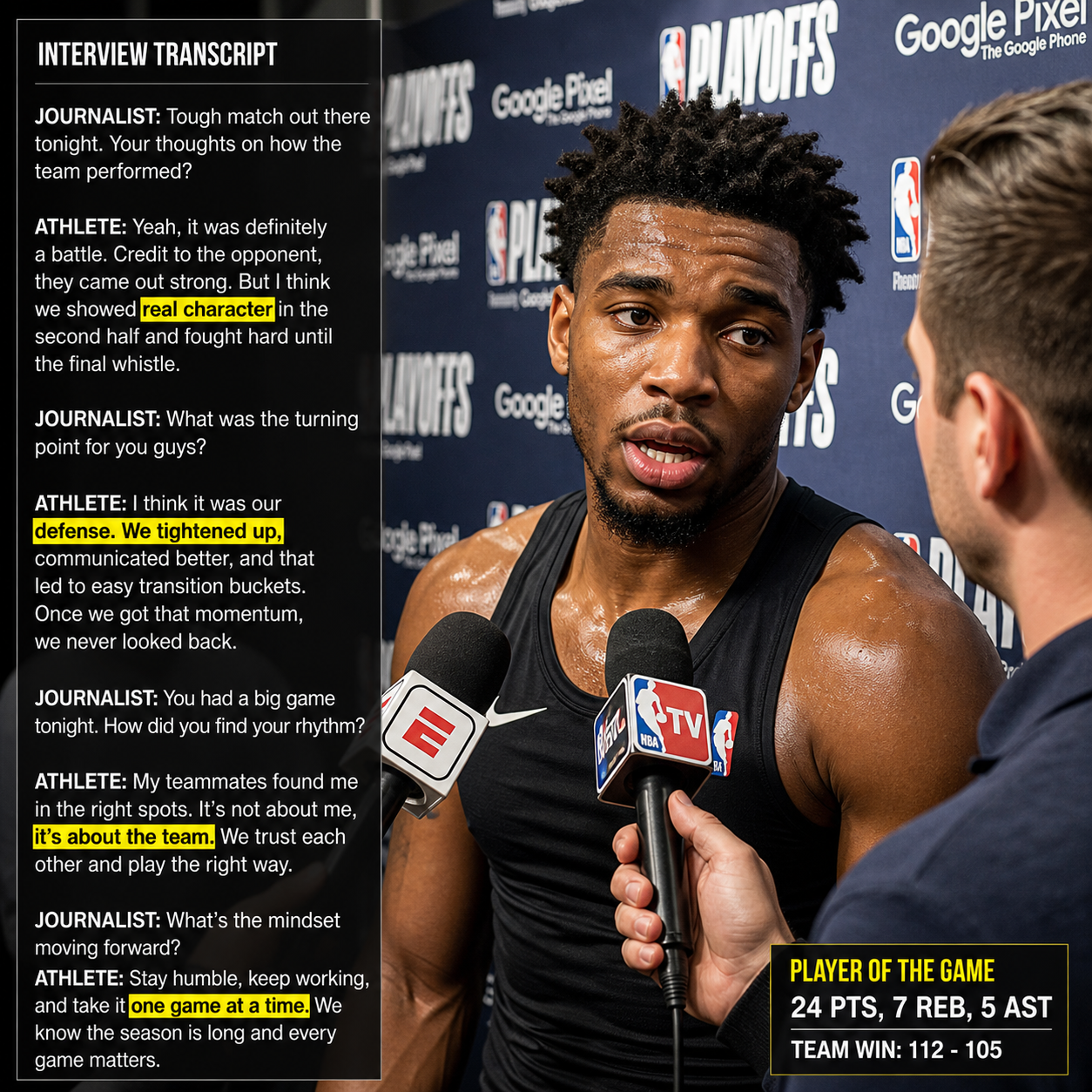
Transcripts developed naturally from this environment. Wire services needed verbatim quotes to distribute nationally. Legal and compliance teams needed accurate records of what was said publicly. Historians and researchers needed primary sources. The press conference transcript was not a bureaucratic afterthought — it was a functional necessity that gave the entire system its credibility.
The Digital Shift: Online Publishing and 24/7 Sports News
The internet disrupted the publication cycle entirely, enabling instant reporting and creating strong demand for raw, verbatim content — including full interview transcripts — that print deadlines had never required. The shift happened fast and changed reader expectations permanently.
By the early 2000s, sports websites were publishing game recaps within minutes of a final whistle. Digital sports news outlets competed not just on quality but on speed. This pressure transformed how press conferences were handled: organizations began distributing official transcripts immediately after briefings ended, rather than waiting for journalists to file their own versions.
The appetite for raw, unfiltered content grew alongside this speed. Readers who had once accepted a journalist's summary now wanted the full exchange — every question, every answer, every hedge and clarification. Search engines rewarded this content too, since verbatim transcripts captured the long-tail queries that paraphrased summaries missed.
Content archiving became a serious operational concern. Media libraries that had once consisted of filing cabinets and microfilm now required structured digital databases. Organizations that had invested in systematic transcript production found themselves holding genuinely valuable assets: searchable, citable, historically complete records of what their athletes and coaches had said, year after year.
Social Media and the Athlete as Their Own Media Channel
Platforms like Twitter/X, Instagram, and YouTube gave athletes direct audience access, fundamentally changing the role of traditional media intermediaries. For the first time, an athlete could speak to millions without a journalist, broadcaster, or PR department in the middle.
This shift had real consequences for sports media organizations. Post-game press conferences still happened, but athletes increasingly used social platforms to shape their own narratives before, during, and after those sessions. A tweet posted minutes after a loss could define the story before any reporter filed a word. An Instagram video offered context — and controlled framing — that a press conference room could not.
The relationship between athlete media access and traditional journalism became more negotiated. Some athletes reduced their formal media obligations while expanding their personal channels. Others used social platforms to respond directly to coverage they considered inaccurate. The press conference did not disappear, but its position as the primary vehicle for athlete communication was no longer unchallenged.
For media professionals and researchers, this fragmentation created a new archival problem. Social media posts are ephemeral, platform-dependent, and difficult to verify retroactively. The structured transcript — produced in a controlled setting, attributed clearly, and preserved systematically — became more valuable precisely because it offered something social media could not: a reliable, searchable record.
Streaming, Podcasts, and the Fragmentation of Sports Coverage
On-demand audio and video formats expanded the sports media landscape significantly, creating new contexts for interview-style content and audiences with very different consumption habits. Digital streaming platforms and podcasts did not replace traditional media — they layered on top of it, adding depth and niche coverage that broadcast windows never had room for.
A three-hour podcast interview with a retired athlete can cover ground that a five-minute post-game press conference never could. Streaming services have produced long-form documentary series built almost entirely around athlete interviews and behind-the-scenes access. These formats serve audiences who want context, not just results.
The challenge is discoverability and accessibility. Audio and video content is rich but difficult to search. A listener who wants to find exactly what a coach said about a specific player in a podcast recorded two years ago faces a real problem. Transcripts solve this directly — and many podcast producers have recognized this, adding written versions of their episodes to improve both SEO performance and audience accessibility.
Why Transcripts Still Matter in the Digital Age
Written interview and press conference records remain essential in the digital era for four distinct reasons: accuracy, discoverability, accessibility, and archival integrity. Each of these serves a different audience, but all of them point to the same conclusion — the transcript is not a legacy format, it is an active tool.
- Accuracy: Verbatim transcripts eliminate the paraphrase problem. When a coach's quote is misrepresented in coverage, the official transcript is the authoritative correction. This matters for journalists, legal teams, and the athletes themselves.
- SEO discoverability: Search engines index text, not audio or video. A press conference that exists only as a video clip is effectively invisible to anyone searching for specific statements. A transcript makes that content findable for years after the event.
- Accessibility: Written transcripts serve deaf and hard-of-hearing audiences, non-native speakers, and anyone reading in a context where audio is impractical. Accessibility is not a niche concern — it is a baseline expectation for professional media organizations.
- Archival value: Researchers, historians, and journalists working on retrospective coverage rely on primary sources. A well-maintained media library of press conference transcripts is a genuine historical resource, not just a content asset.
Sites dedicated to publishing interview and press conference transcripts occupy a specific and genuinely useful position in the sports media ecosystem. They do not compete with broadcasters or social platforms — they complement them, providing the written layer that makes audio and visual content searchable, quotable, and permanent.
Frequently Asked Questions
What was the first major sports newspaper or publication?
The New York Clipper, founded in 1853, is widely considered one of the earliest dedicated sports publications in the United States. British publications like Bell's Life in London (founded 1822) predate it and covered boxing and cricket extensively, establishing the sports journalism format that American outlets later adopted.
How do sports organizations distribute press conference transcripts today?
Most major leagues and teams distribute official transcripts through their own websites, media relations portals, and wire services within hours of a press conference ending. Some organizations partner with dedicated transcript services to ensure consistent formatting, accessibility compliance, and rapid publication.
Why are written transcripts important for digital sports media?
Transcripts are indexable by search engines, making spoken content discoverable long after the original event. They also provide accurate attribution for journalists, serve accessibility needs, and create durable archival records that audio or video clips alone cannot reliably provide.
How has athlete media access changed with social media?
Athletes now communicate directly with audiences through platforms like Instagram and Twitter/X, reducing their dependence on traditional press conferences as the primary channel for public statements. This has made formal media sessions more selective in some cases, while increasing the volume of informal, unmediated athlete communication overall.
What is the difference between a media transcript and a broadcast clip?
A broadcast clip is an audio or video recording of a statement, which captures tone and visual context but is difficult to search, quote precisely, or archive reliably. A media transcript is a written, verbatim record of the same content — searchable, citable, and accessible to audiences who cannot or prefer not to consume audio or video formats.