
Comparing Interview Styles Across Different Sports

A sports interview can be a quick exchange beside the field, a formal press conference, or a longer media availability session. In sports press transcripts, those differences show up in the questions reporters ask, the follow-ups they choose, and how athletes and coaches respond.
Comparing interview styles across different sports means paying attention to both the competition and the setting. A team result invites questions about shared responsibility; an individual result often brings the athlete’s preparation and decisions into focus. Neither pattern is universal, but transcripts make the contrasts easier to see.
Why Interview Styles Vary by Sport
Interview styles vary because each sport creates different competitive situations, responsibilities, and opportunities to speak with participants. The format of the event and the interview setting also influence what reporters ask and how much detail speakers provide.
In a team sport, one outcome may involve many players, coaches, and tactical choices. Reporters may ask how a group handled a defensive adjustment or why the team struggled to maintain momentum. In an individual sport, a result is more directly tied to one athlete’s performance, so questions often turn to technique, pacing, preparation, or a decisive moment.
Competition structure matters, too. A match with several periods or innings creates natural turning points for questions. A race or single-attempt event may leave reporters focused on a narrow window: the start, a tactical choice, or the final execution. Weather, equipment, rules, and opponent strategy can shape those questions without determining the interview style on their own.
Setting is part of the sport’s context. A brief post-game interview usually favors an immediate reaction. A formal press conference gives reporters more room to revisit an answer, ask about broader strategy, or compare the result with earlier performances. When reading a transcript, separate what the sport demands from what the format allows.
Team Sports: Shared Outcomes and Group Accountability
Team-sport interviews often connect an individual moment to the group’s tactics and overall performance. Reporters ask about coordination, roles, adjustments, and how a shared result developed.
A question might begin with one player’s contribution, then widen: What changed after the opponent adjusted its defense? How did the team respond to a goal or point conceded? Did communication break down late in the game? These follow-ups help reporters connect a visible action to the collective plan, while coaches may explain substitutions, matchups, or strategic decisions.
Athletes often use collective language in response, crediting teammates or describing what the group needs to improve. That can reflect genuine interdependence, but it can also make a transcript less specific. To interpret it carefully, note whether the speaker names a particular action or stays with broad phrases such as “we have to be better.”
- Questions about tactics: Look for references to formations, matchups, pace, or adjustments.
- Questions about responsibility: Notice whether a reporter asks about a specific mistake or frames the issue as a team problem.
- Questions about contribution: Track how a player’s role is linked to teammates’ actions and the final outcome.
Team interviews can offer rich detail about shared work, but they may blur individual accountability. The wording of the question and the speaker’s role help explain which perspective the transcript presents.
Individual Sports: Personal Performance and Preparation
Individual-sport interviews often center on the athlete’s own execution, decisions, and preparation. Reporters may ask about technique, strategy, training, and the moments that shaped the result.
In a race, for example, questions might focus on pacing, a change in conditions, or a decision made near the finish. In a judged or technical event, reporters may ask about a specific sequence, the athlete’s approach, or how a performance compared with the plan. The details depend on the sport; a useful transcript comparison does not treat all individual events as interchangeable.
Because the athlete is the main performer, answers may be more personal and specific. A competitor might describe adjusting a routine after a difficult opening or explain why they chose one tactic over another. Still, individual results often involve external factors, including an opponent’s performance, equipment, course conditions, and judging criteria. Good questions acknowledge those influences rather than attributing every outcome to effort alone.
Preparation questions can reveal context that a result by itself cannot. Compare what the athlete expected to do with what they actually did, then note whether reporters ask about the gap. That contrast can illuminate how athletes describe decision-making without turning a transcript into a technical assessment of performance.
Coaches, Athletes, and Reporters: Different Roles in the Conversation
Athletes, coaches, and reporters shape sports interviews in different ways. Reporters set the topic through questions, athletes describe their experience, and coaches often interpret decisions and group performance.
Athletes can speak directly about what they saw, felt, or chose during competition. Their answers may be immediate and personal, especially after a close finish or difficult loss. Coaches tend to discuss preparation, strategy, substitutions, or team standards, though their access to events may differ from an athlete’s firsthand view.
Reporters influence the transcript through framing and follow-up. A question that asks “What changed?” invites a different answer from one that asks “Who was responsible?” Follow-ups can clarify a broad response or steer the conversation toward a specific incident. When comparing interviews, record who speaks first, whether questions build on earlier answers, and whose perspective receives the most space.
These roles can create useful contrasts. An athlete may describe a moment as a split-second decision, while a coach explains it as part of a planned approach. Neither account automatically cancels out the other. Read them as different viewpoints, and distinguish reported facts from interpretation.
How Interview Settings Affect Tone and Detail
Interview settings affect how much time speakers have, how questions are asked, and how detailed the answers become. Post-game interviews are usually immediate and brief, while press conferences and other media availability can support longer exchanges.
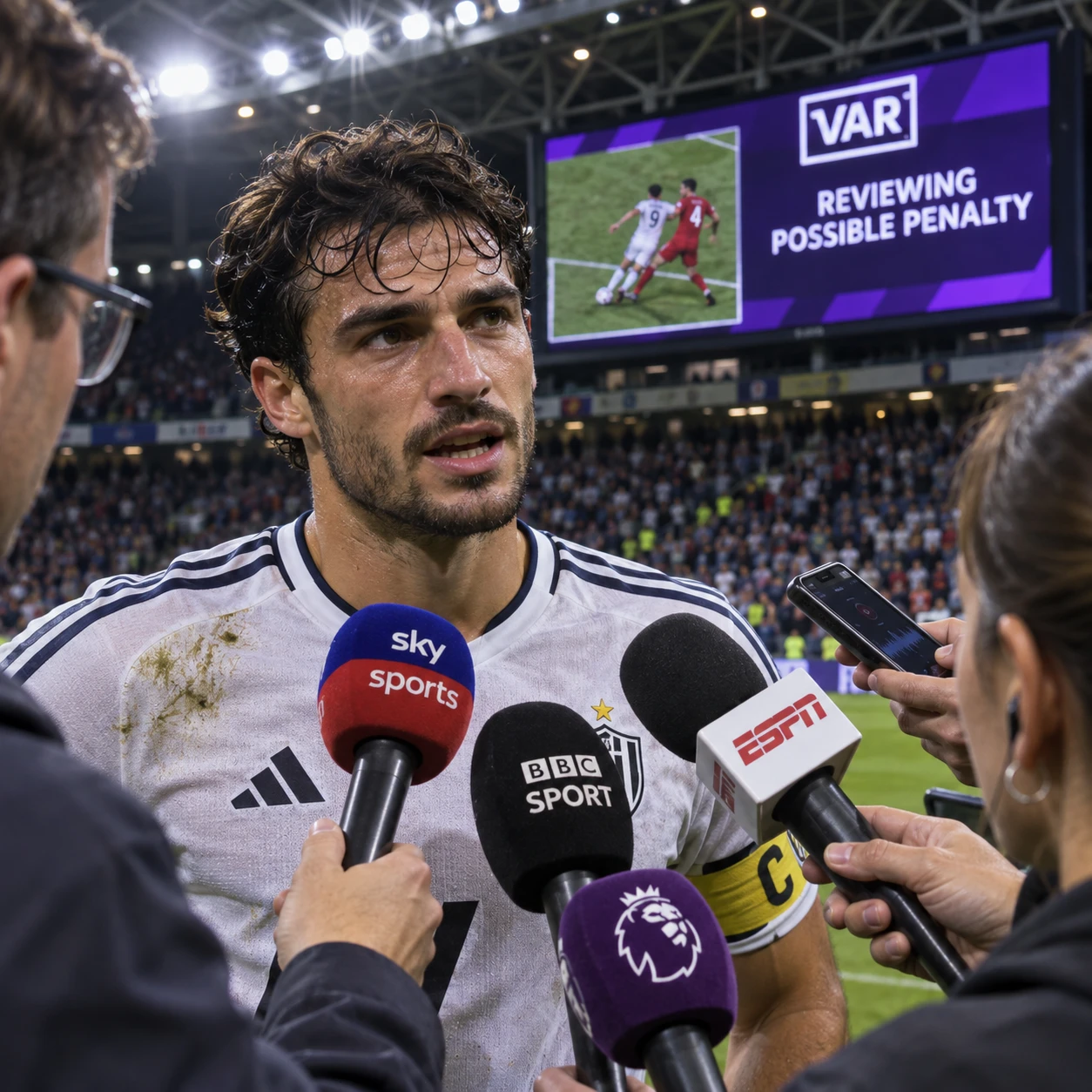
A post-game interview often takes place close to the competition, when athletes may be tired or still processing the result. Questions tend to be direct: What happened on that final play? What did you see in the closing minutes? Short answers are common in this format, so a concise response should not automatically be read as evasive.
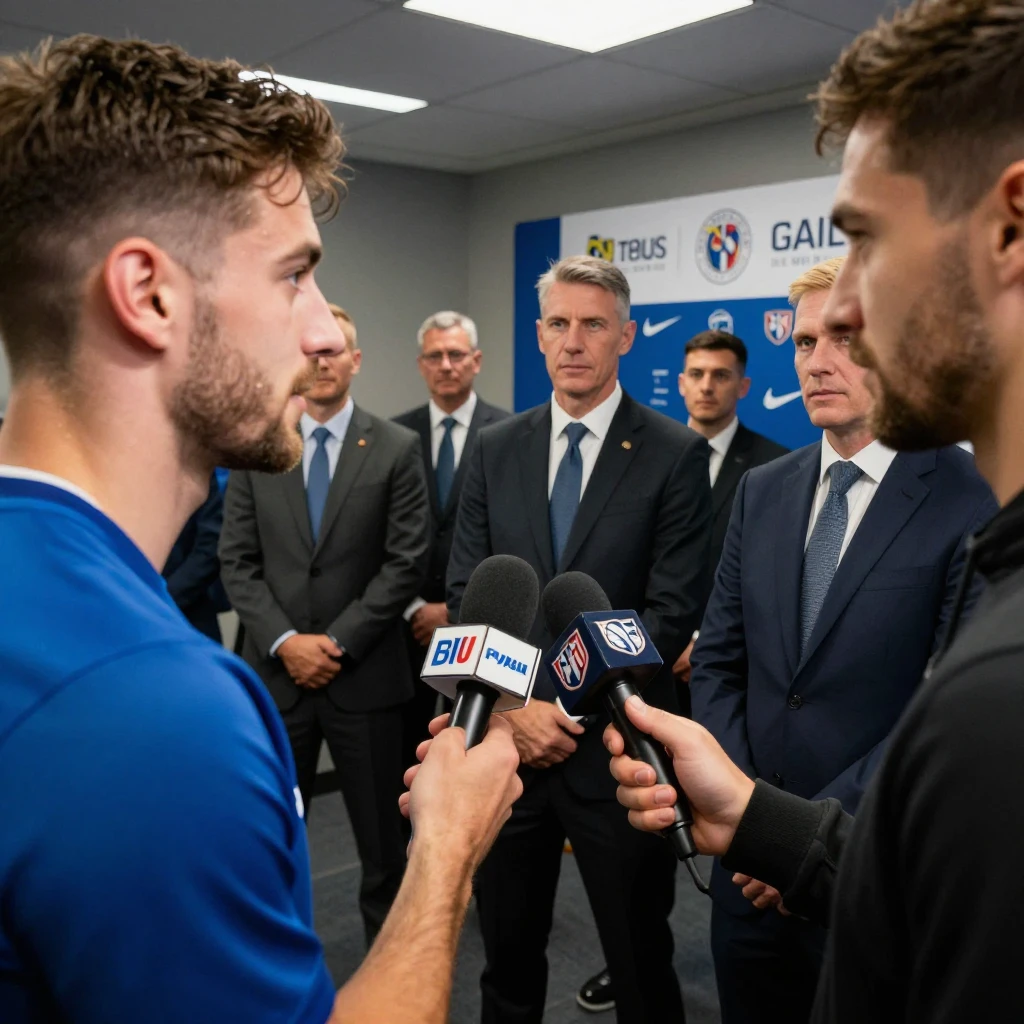
A press conference usually involves multiple reporters and a wider range of topics. One question may concern the result; another may address a tactical choice, an injury update, or the next event. The format also makes follow-ups easier, though the available time and rules for media access vary by event.
Other media availability may include brief one-on-one conversations or a set period for reporters to speak with selected athletes and coaches. Those conditions affect which voices appear in sports press transcripts. Transcript length is not a reliable measure of openness: a short exchange may reflect a tight schedule, while a longer one may simply have allowed more questions.
What to Look for in Sports Press Transcripts
To compare sports press transcripts, track four elements: topic, follow-up, tone, and response length. This simple framework helps distinguish patterns created by the sport from those created by the interview setting.
Use the following checklist when reading two interviews from different sports or formats:
- Topic: Is the discussion about tactics, individual technique, preparation, team responsibility, or a specific turning point?
- Follow-up: Does the reporter ask for an example, challenge an explanation, or move on to another subject?
- Tone: Is the exchange celebratory, analytical, tense, reflective, or routine? Base this judgment on the words and context, not a single short answer.
- Response length: Do answers stay concise or develop into explanations? Consider how much time the setting allows.
- Speaker role: Is the answer from an athlete, coach, or another representative, and what can that person reasonably know?
For a practical comparison, choose one team-sport interview and one individual-sport interview, then mark each question by topic. Next, note whether the answer receives a follow-up and how the speaker frames responsibility. Repeat the exercise with a post-game interview and a press conference from the same sport. This separates sport-related differences from format-related ones.
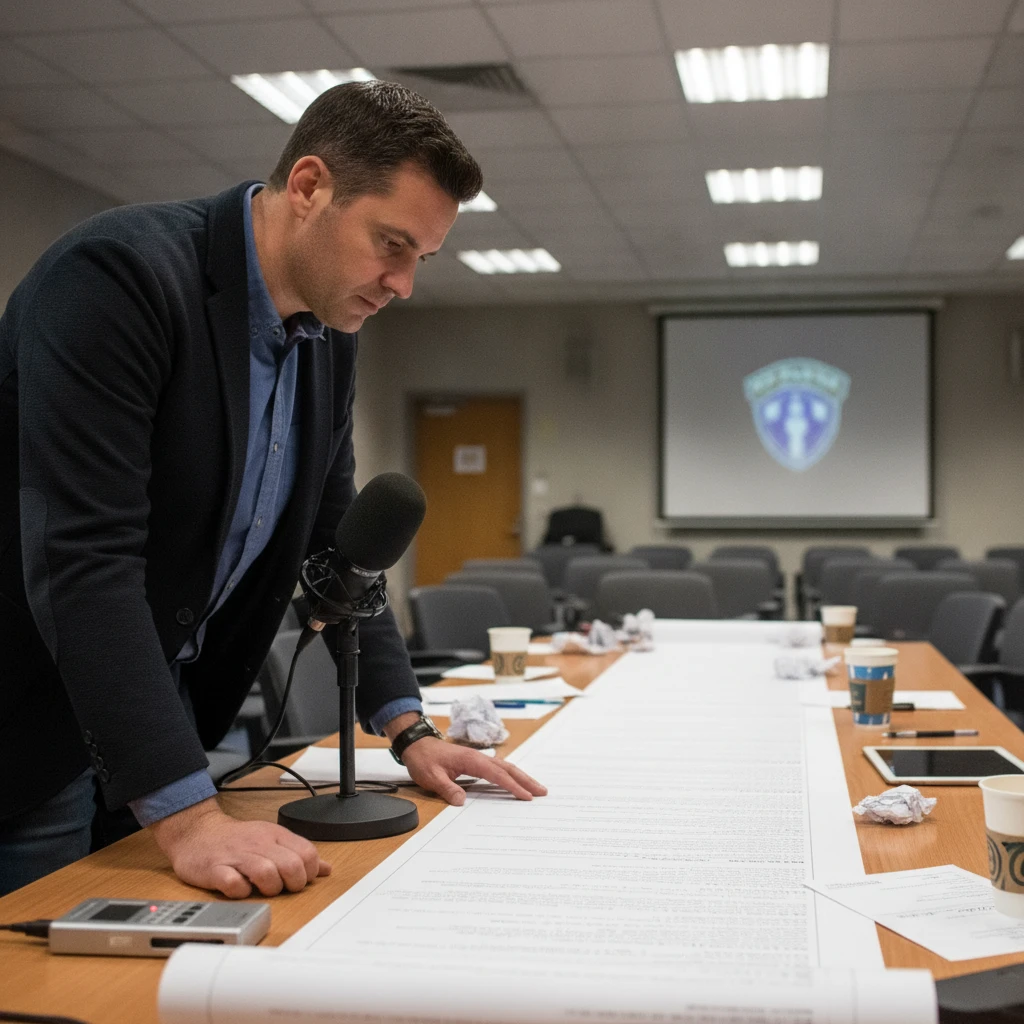
A common reading error is treating every short answer as a sign of reluctance. Another is assuming that a coach’s strategic explanation captures an athlete’s full experience. Transcripts preserve words and sequence, but they may omit pauses, tone of voice, room dynamics, and nonverbal cues. Use the text to compare the exchange, and avoid claiming more than it can show.
Frequently Asked Questions
Why do interview questions differ between sports? Competition structure, rules, team roles, and the events that decide a result all shape what reporters can ask about. The interview setting adds another influence.
How do post-game interviews differ from press conferences? Post-game interviews are often brief and immediate. Press conferences usually allow several reporters to ask questions and may cover a broader range of topics.
Do team and individual sports produce different interview patterns? Often, yes. Team-sport interviews commonly address shared outcomes and tactics, while individual-sport interviews often focus on personal execution and preparation. These are tendencies, not fixed rules.
What can a transcript reveal about an interview’s tone? Word choice, question framing, follow-ups, and response length can suggest whether an exchange is analytical, tense, or celebratory. A transcript cannot fully capture vocal delivery or body language.